


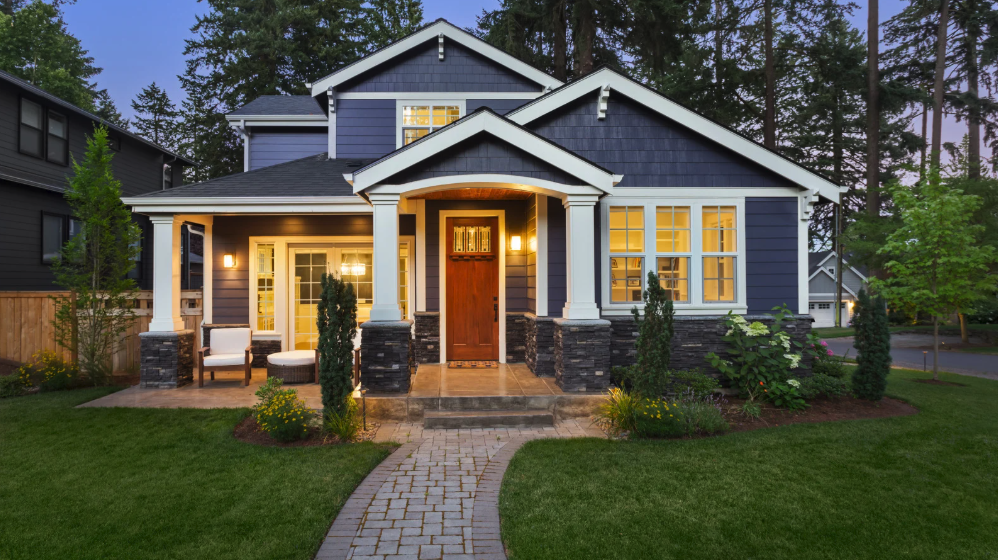
When planning a major construction or renovation, one of the most strategic decisions is choosing between the design-build and traditional construction methods. Each approach defines the project’s workflow, communication, and overall outcome. Engaging with custom home builders in Lake Geneva early in the process ensures a seamless experience from concept to completion. Understanding how these two methods differ helps determine which aligns best with your project’s scope, timeline, and customization needs.
Understanding the Design-Build Approach
The design-build model consolidates design and construction services under a single professional entity. This unified process eliminates the disconnect between architects and contractors, fostering collaboration and operational efficiency. With one point of accountability, issues are resolved faster, timelines are shortened, and risks are minimized.
This method is particularly valuable for homeowners seeking tailored design solutions. Professionals manage every stage—from the initial design to the final build—ensuring the vision remains consistent. Communication flows seamlessly, allowing for adjustments without unnecessary delays. The result is a cohesive process that prioritizes precision, creativity, and long-term value.
Traditional Construction: The Conventional Framework
Traditional construction, or the design-bid-build method, separates the design and construction phases entirely. The process begins with hiring an architect for design, followed by bidding among contractors to carry out the plans.
While this approach offers pricing transparency, it often introduces challenges such as miscommunication, delays, and fragmented accountability. When unforeseen site issues occur, disputes over responsibility can lead to extended downtime and budget overruns. For projects that demand flexibility or design adaptability, this traditional route may not deliver the same fluid execution as design-build.
Comparing Efficiency, Cost, and Control
When comparing both methods, design-build consistently demonstrates superior efficiency. Having one team oversee both design and construction fosters proactive communication and immediate problem-solving. This alignment minimizes errors, reduces change orders, and enhances workflow. More from us: The Silent Design Mistakes That Make a Room Feel Cheap.
In terms of cost, design-build often produces more predictable results. Collaboration during the early planning stages allows accurate budgeting and prevents unnecessary expenditures. Traditional methods, in contrast, frequently face cost fluctuations due to disjointed coordination and scope revisions.
Control also plays a significant role. In the design-build model, clients maintain direct involvement with a unified team, ensuring accountability and faster decision-making. The traditional model disperses responsibility across multiple entities, making oversight more complex.
Enhancing Customization and Personalization
A defining strength of design-build lies in its capacity for personalization. The process naturally accommodates a homeowner’s preferences in every design and construction phase. Professionals focus on creating spaces that reflect not just functionality but individuality.
Understanding how to personalize your custom home to reflect your style becomes central in this approach. The collaboration between designers and builders ensures that every detail—from layout to material choice—echoes the homeowner’s taste and lifestyle. This synergy makes the project both structurally sound and personally meaningful.
Conclusion
The choice between design-build and traditional construction depends on your priorities: efficiency, budget control, flexibility, and customization. For projects that demand precision, seamless coordination, and a tailored finish, design-build stands out as the most strategic and results-driven approach. Collaborating with skilled professionals ensures every phase of your project is executed with discipline, innovation, and lasting value.
