


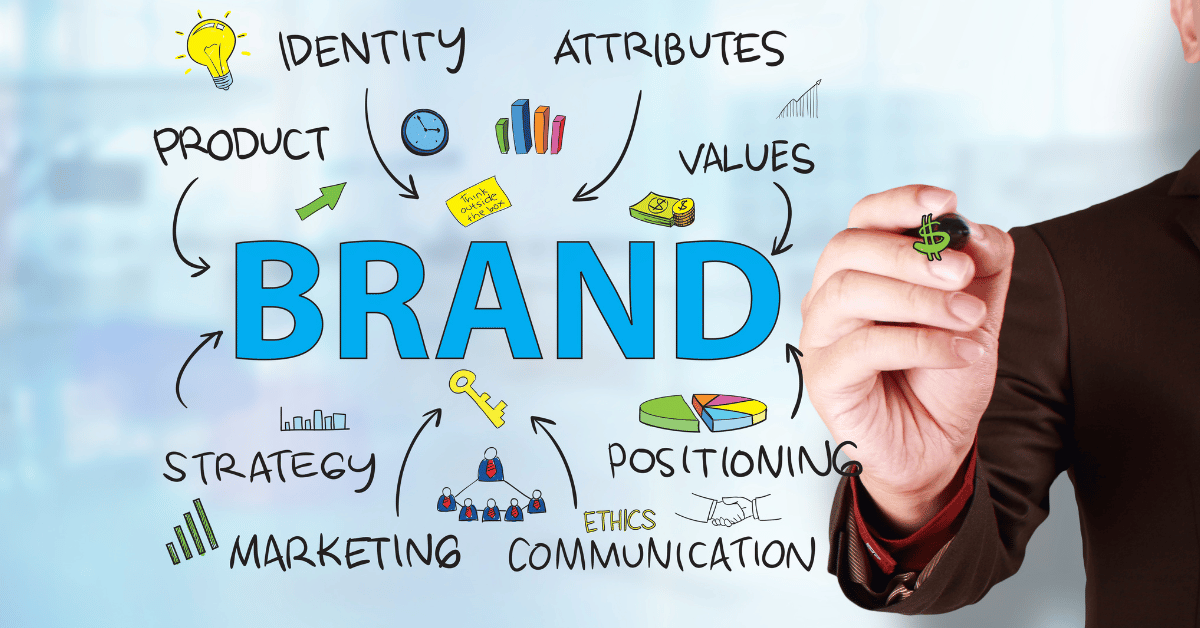
In 2026, branding is more about being present at the right moment than being loud. People truly value their time and are no longer interested in being sold to all the time. Today, branding that feels intentional, planned out, and relevant to daily life stands out. The manner in which a brand presents itself is more significant than ever, whether it’s an outlet, at a gathering, or within an interpersonal setting.
In addition, visual identity has reverted to a more tactile, physical approach. Businesses are exploring value in fundamental branding elements that customers can recognise. This is where details like displays, signage, and even custom flags come into play, offering an alternative way to define individuality without words.
As you delve deeper into 2026, we bring you 5 unique branding ideas that can significantly help improve your branding strategy.
Turning Everyday Spaces Into Brand Touchpoints
Traditional advertising is no longer the only alternative for businesses. In 2026, vision is increasingly affected by everyday environments. Examine overlooked areas, including reception areas, pavements, entrances, and outdoor settings.
Over time, a strong visual presence in these areas builds familiarity. It feels more natural when consumers see your branding casually while they explore a space. It’s more like part of the environment than an advert. Companies that consider their physical space as an extension of their brand identity will feel more connected and remembered in 2026.
Using Movement to Capture Attention in 2026
Although static branding still has its place in marketing, movement draws the eye more innovatively. Specifically, in busy settings, people naturally have a strong attraction to motion. This could be as simple as materials that flow with the wind or visual elements that transform as people walk by. Movement offers branding vibrancy and an animating, flowing feel.
Such a strategy helps a business stand out in chaotic spaces without the requirement of vibrant hues or gigantic designs.
Blending Tradition With Modern Visual Design
Traditional branding elements are increasingly sought after, particularly when modernised with cutting-edge concepts. In a world that is constantly evolving, timeless shapes, traditional layouts, and popular formats can be soothing.
The aesthetic that they possess is what’s important. Quality materials, carefully considered colour schemes, and clean typography all help keep things up to date. In 2026, firms that preserve their roots while upgrading how they operate will also appear more relevant and trustworthy.
Making Branding Feel Local and Personal
Consumers are more inclined to connect with brands that offer a strong sense of belonging. Local references, regional shades, or environment-inspired designs can make a big difference for local branding.
This approach can be especially successful for firms that prioritise long-term loyalty over immediate recognition. Branding feels real when it reflects its surroundings. Personalised branding will always offer buyers a sense of intention and care.
Designing for Events That People Remember
Arguably, the most effective strategy for boosting brand awareness remains events. In 2026, experience will become more significant than scale. A key component in how individuals remember an event is visual branding. Long after the day has ended, people can recall where they were and who hosted it, thanks to clear identification.
Without demanding regular explanation, well-designed branding elements guide visitors through a space, create possibilities for pictures, and deepen recognition. When carried out properly, they become a vital component of memory.
In Conclusion
Branding is all about balance in 2026. It is about being noticeable without becoming overpowering and about creating an assertive presence while remaining approachable. Physical branding factors are no longer solely aesthetic. They impact how customers think about and understand a brand. Ideas that naturally fit into real situations and authentic moments are the most effective. Quietly and gradually, branding builds popularity when it appears chosen rather than forced, and that’s what people remember.
Intention is what matters most. Whether drawing attention, creating an atmosphere, or expressing identity, every visual option ought to serve a purpose. When branding is intelligently placed, it integrates with the environment rather than vying for attention. People become wary of it without getting distracted by it. Likewise, the significance of quality over quantity is rising. When carried out successfully, fewer factors often leave a more lasting impression than numerous clashing pictures. In 2026, balance will feel more secure than excess. Firms that realise this will come across as more trustworthy and competent.
Another consideration is dependability. In the long run, trust grows stronger when branding takes on clear forms across multiple settings. It doesn’t need to yell to be seen. When appropriately used, repetition creates familiarity and comfort. In the end, however, chasing trends is not the primary objective for successful branding. It involves choosing ideas that correlate with how individuals move, gather, and participate in the real world. Branding becomes something individuals remember for the right reasons when it enhances those experiences rather than conflicts with them.
If you want to know more about How Digital Marketing Agencies Utilize Data Analytics For Campaign Optimization? then visit our Digital Marketing category.
